

Acting in a world of geopolitical tensions
Europe's biggest defence transformation in decades
With total‑defence ambitions reshaping how nations protect people, infrastructure, and democratic continuity. This effort stretches across agencies, industries, and technologies — a collective undertaking where getting it right truly matters. At the heart of this transformation lies a simple truth: resilient societies depend on secure communication, and Europe’s sovereignty will be built on the tools and services that keep those connections trusted, protected, and always available.

Importance of defence
Defence budgets across Europe are rising sharply
Defence budgets across Europe are rising sharply, with EU member states increasing spending by 15% year‑on‑year and expanding total expenditure from €287 bn in 2023 to a projected €381 bn in 2025. This sustained growth—equivalent to a CAGR of 15% over the period—drives a rapidly expanding demand for advanced, sovereign defence technology. CR Group is positioned at the centre of this shift, as governments prioritise European‑controlled, security‑cleared communications capabilities that meet new operational, regulatory, and sovereignty requirements.
Technological advancements
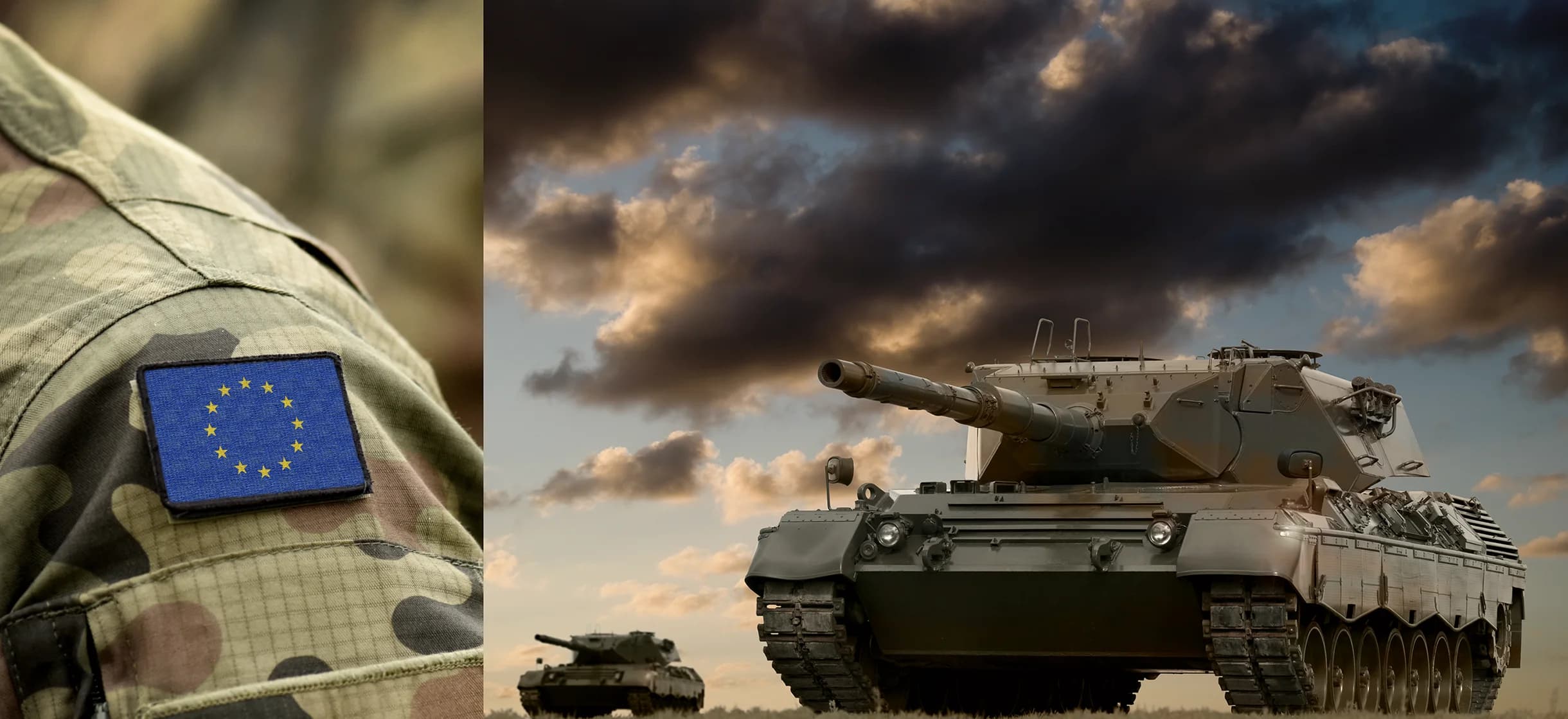
The modern battlespace is digital, distributed, and data‑driven.
Rapid technological shifts are reshaping the defence and security landscape, creating conditions that directly strengthen CR Group’s market position. The modern battlespace is digital, distributed, and data‑driven, which elevates the need for secure, sovereign communication systems across both military and civil‑defence domains. Advancements in quantum‑resilient cryptography, hardened cloud infrastructures, and software‑defined networks are accelerating procurement cycles as governments seek future‑proof solutions that meet new threat profiles.
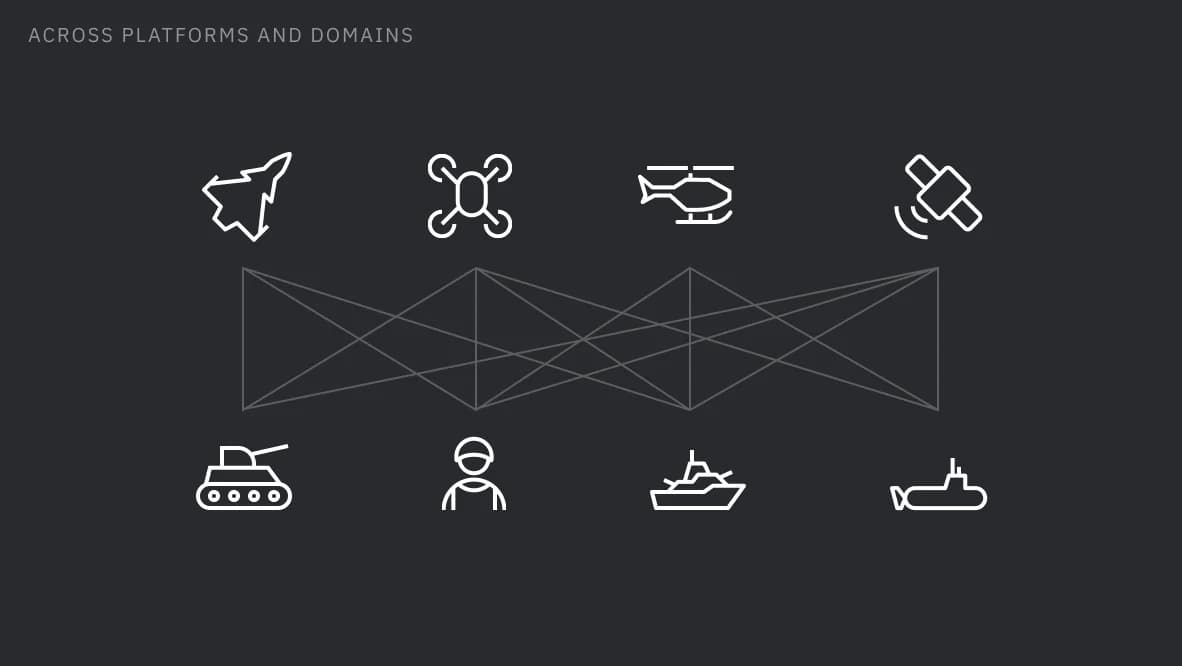
Across platforms and domains
Modern missions depend on seamless, secure information exchange between national systems, allied platforms, and rapidly deployed units for operations spanning land, air, sea, cyber, and space. This drives a sharp increase in demand for high‑assurance, cross‑domain communication solutions that can operate reliably in contested environments. As threats grow more sophisticated, governments prioritise technologies that ensure end‑to‑end encryption, domain separation, and sovereign control over critical data flows.
Across domains: Interoperability
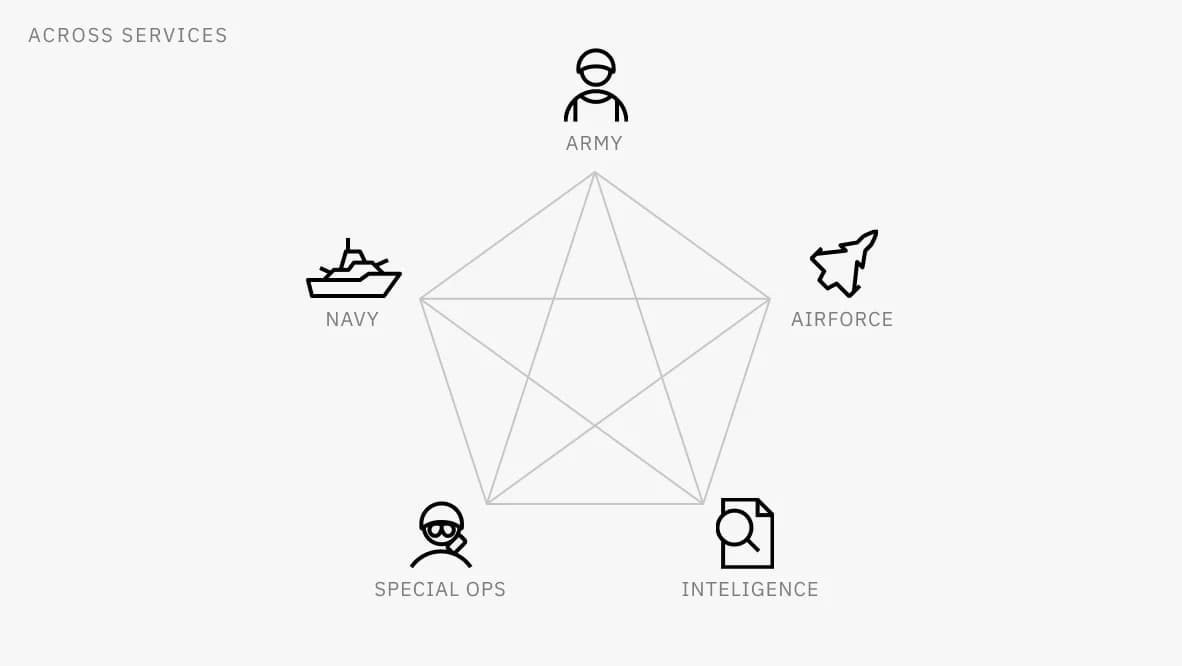
European defence forces operate jointly across land, air, sea, cyber, and space. Mission success increasingly depends on secure, seamless information exchange between national systems, allied platforms, and multi‑domain command structures. This shift places a premium on communication technologies that ensure trusted connectivity, cross‑domain integration, and sovereign control over sensitive data flows.
Across echelons
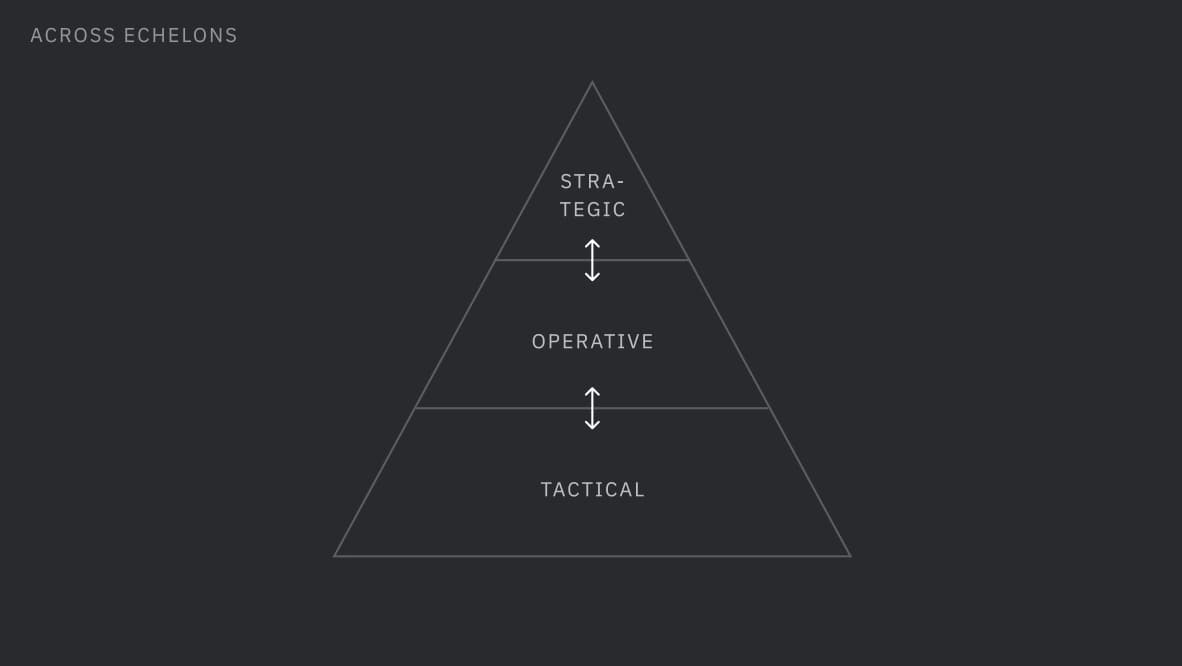
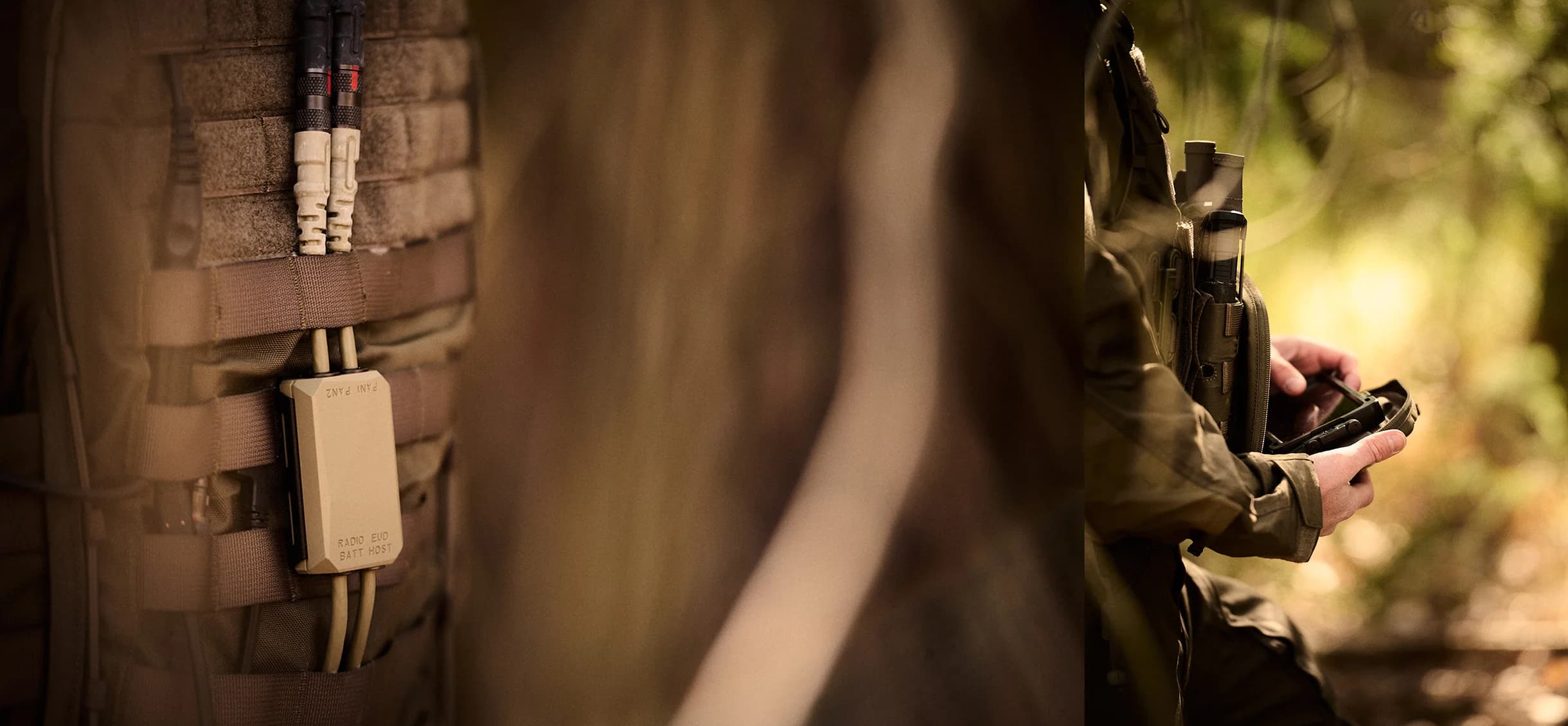
Secure communications must function seamlessly across all echelons—from strategic command to tactical units at the edge. Modern operations rely on encrypted, resilient links that ensure the same level of trust and integrity whether information moves between headquarters, deployed forces, or autonomous systems.
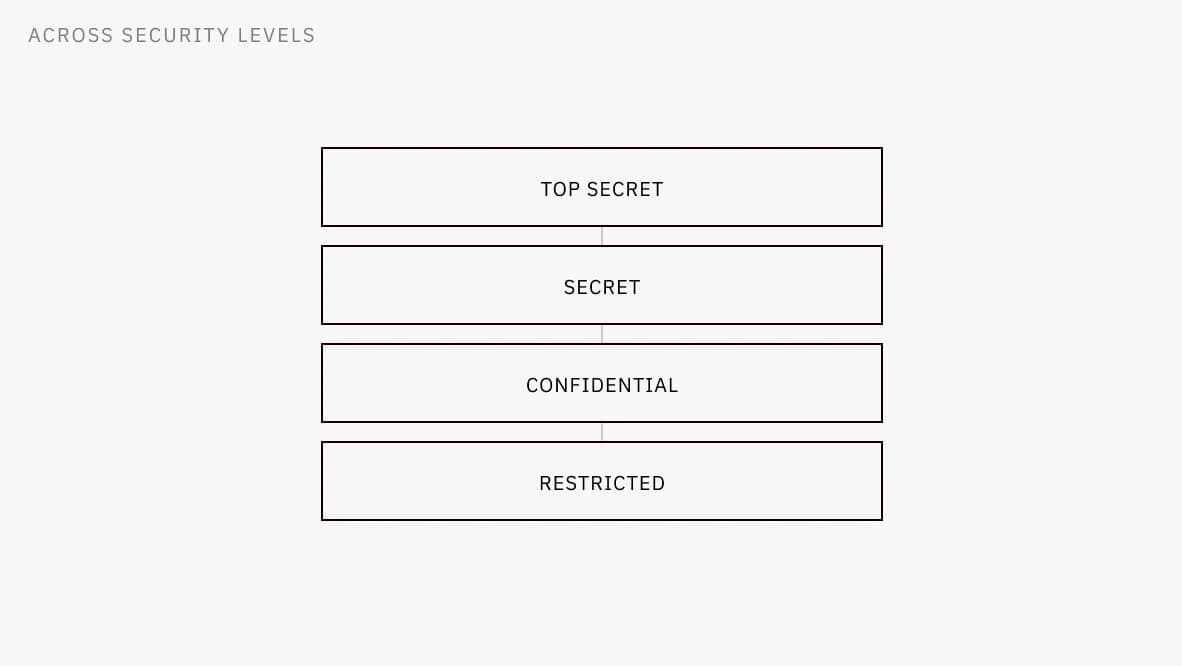
Across security levels
Only a limited number of actors can meet the cryptographic, regulatory, and assurance requirements demanded at these levels. As governments prioritise sovereign control over their most sensitive communications, providers capable of operating across the full security spectrum gain strategic relevance.
Rising EU defence spending
The European defence industrial strategy (EDIS) hyper growth scenario
Defence budgets across Europe are rising sharply, with EU member states increasing spending by 15% year‑on‑year and expanding total expenditure from €287 bn in 2023 to a projected €381 bn in 2025. This sustained growth—equivalent to a CAGR of more than 10% over the period—drives a rapidly expanding demand for advanced, sovereign defence technology.
40%
of equipment should be procured collaboratively within the EU by 2030
35%
of the value of the EU defence market should come from intra-EU defence trade by 2030
50%
Member states should allocate a share of defence procurement budgets to the EDTIB—reaching 50% by 2030 and 60% by 2035

€1,395b
Global electro defence spend
€268b
Europe electro defence spend
€178b
Adressable market
The rise in hybrid warfare
Digital and electronic warfare is increasing, with sub-threshold warfare becoming a growing concern for nations
Hybrid conflicts are intensifying across Europe, blending cyberattacks, electronic warfare, disinformation, and pressure on critical infrastructure. These tactics increasingly target communication networks, making resilience and high‑assurance encryption essential across all sectors. The demand for sovereign, secured communications grows rapidly to protect both national infrastructure and vital societal functions.


Regulations drive total defence demand
Stricter European regulations on encryption, data sovereignty, and critical‑infrastructure protection increasingly favour providers capable of meeting the highest assurance standards. As compliance thresholds rise, only a small group of security‑cleared, certified actors can operate across regulated environments. This regulatory shift strengthens market leaders in secure communications, rewarding those with sovereign technology, accredited processes, and proven trustworthiness.